Powder Coating for Coastal and Marine Environments
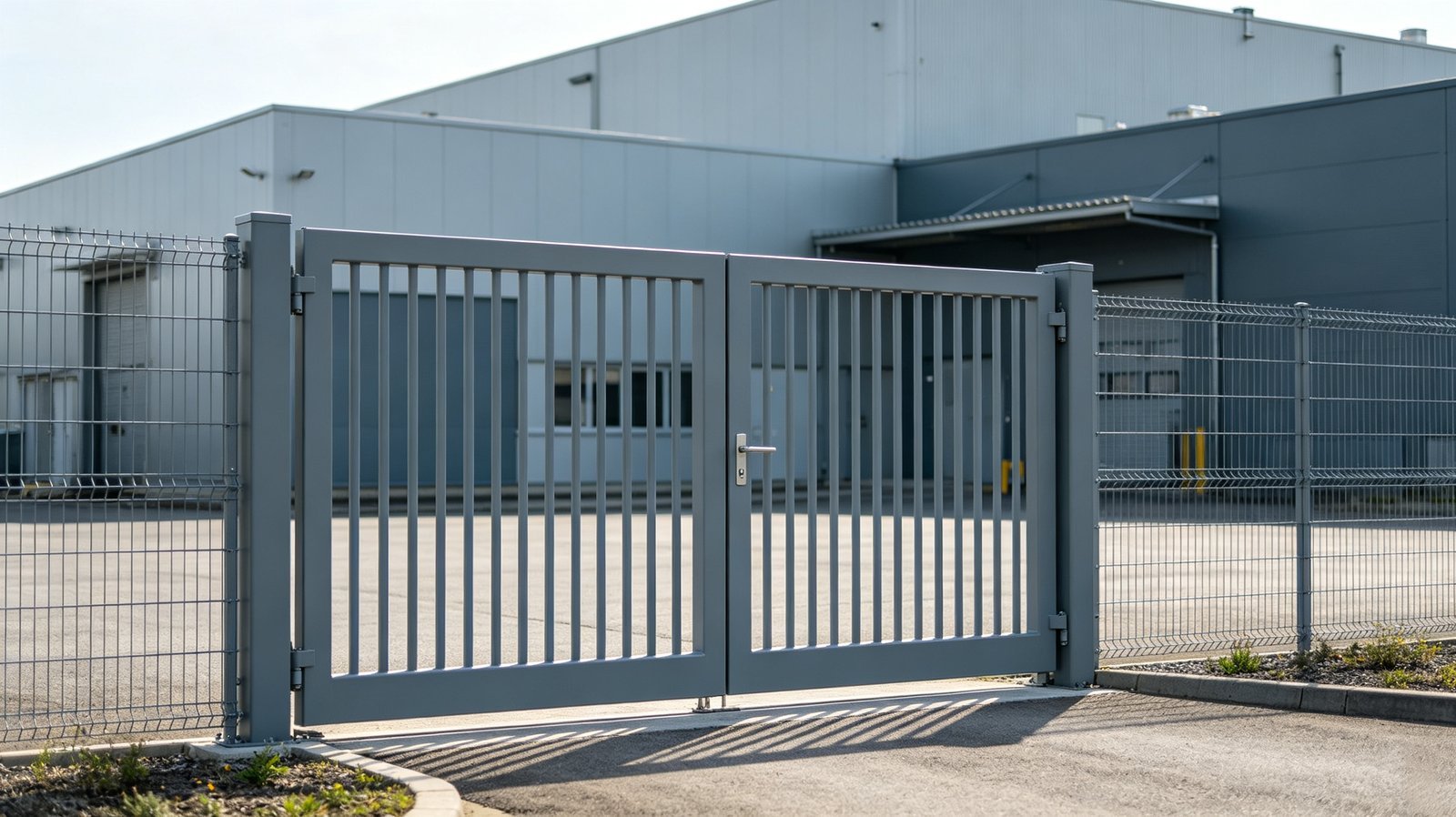
Coastal air carries salt, humidity and constant UV, and it attacks coatings faster than almost any inland environment. Fences, railings, lighting, architectural aluminum and equipment near the sea all fail early if the coating was specified for an inland life. This guide covers what changes when the salt is in the air.
Why Coastal Is Brutal
Salt deposits absorb moisture and create a concentrated electrolyte on the surface. Under a coating, that electrolyte drives corrosion sideways under the film, lifting it from the substrate. Add UV from the sun and thermal cycling, and a standard indoor or suburban coating simply does not last.
Choose the Right Resin
- Super-durable polyester (with HAA or TGIC chemistry) for the best outdoor life in most coastal projects
- PVDF fluorocarbon where color and gloss retention for 20+ years is specified
- Polyurethane for heavy abrasion plus marine exposure on equipment
- Standard polyester only when the warranty and budget allow
Film Thickness and Edge Coverage
Edges, welds and punched holes are where corrosion starts, and they are exactly where film thickness is thinnest. Specify a minimum film thickness measured on edges and corners, and increase the target thickness for coastal service. Good edge coverage is worth more than an expensive resin applied too thin.
Pretreatment for Salt
For steel, blast to a clean, sharp profile and use a zinc-rich or chromate-free conversion treatment before the topcoat. For aluminum, chromate-free conversion or anodizing plus the right primer prevents the filiform corrosion that plagues coastal aluminum. Never skip pretreatment because the topcoat is expensive – the system only works as a system.
Testing and Specification
- Salt spray per ISO 9227 or ASTM B117 with hours matched to your location
- UV and weathering per ISO 16474 or ASTM G154 for color retention
- Adhesion and impact after the salt spray exposure
- Edge coverage inspection on production parts, not just test panels
Need More Information?
Our engineers can help you choose the right powder coating system, color and finish for your project.