
Buyer Decision Snapshot
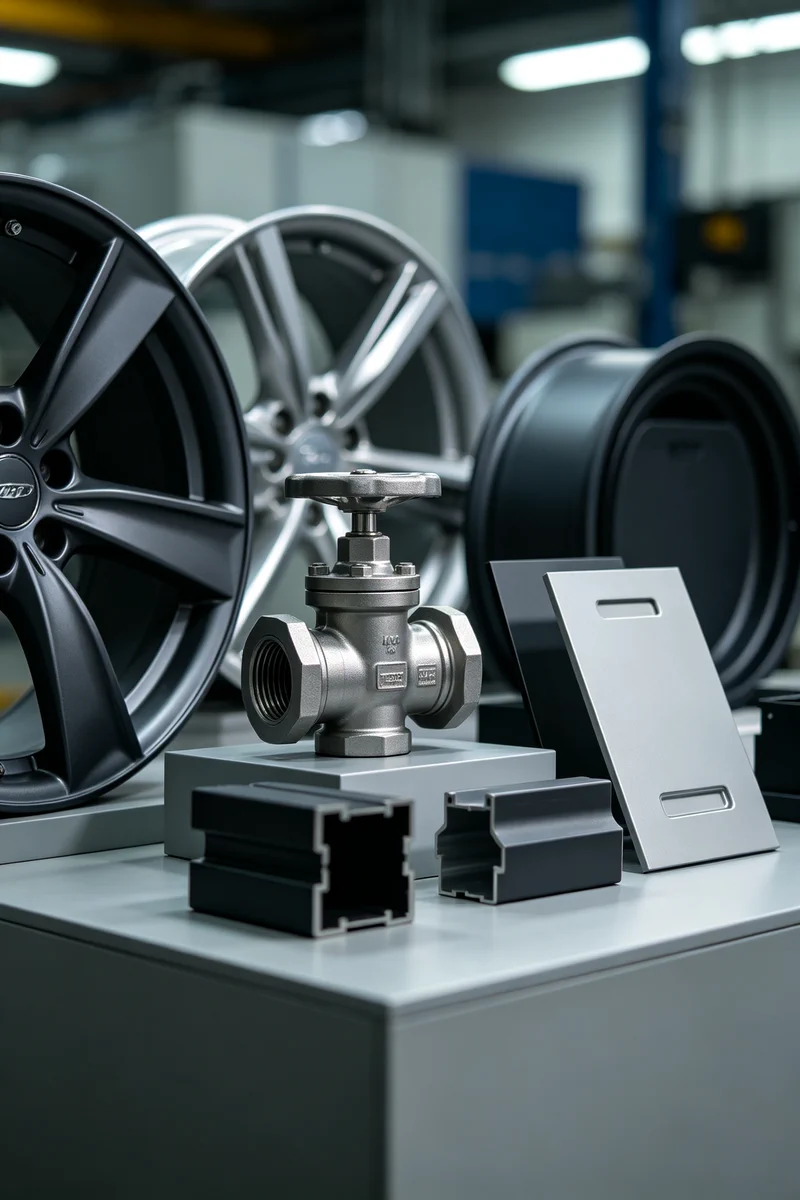
This hub covers six thermosetting resin systems. Use it to shortlist the system that matches the service environment, then confirm the grade against your substrate, cure window and warranty target. Exterior, high-UV or long-warranty work points to polyester, super-durable polyester or PVDF. Interior parts that need chemical and corrosion resistance point to epoxy. Mixed indoor metal goods where cost matters point to hybrid. Abrasion and impact on visible parts point to polyurethane, and decorative or pearl effects point to bonded metallic.
Choosing the right powder coating system
- Epoxy powder coatings
- Polyester powder coatings
- Polyurethane powder coatings
- PVDF fluorocarbon powder coatings
- Epoxy vs polyester: how to choose
- Film thickness guide
Commercial terms we confirm before quoting
We confirm MOQ, sample quantity, development and production time, QC documents, freight options and payment terms in one quotation, so buyers can compare the total delivered cost instead of only the ex-works price.
Frequently Asked Questions
Which system is right for outdoor parts?
Polyester, super-durable polyester and PVDF keep color and gloss outdoors; standard epoxy chalks under long-term UV exposure and is normally used indoors or buried. If the part is outdoors year-round, confirm the warranty length and UV exposure before choosing.
What is the MOQ?
Stock RAL colors are typically 25-100 kg per color. Custom colors often start at 100 kg or more per color. Samples can usually be prepared at 1-5 kg, and we confirm the exact MOQ by finish, package and destination.
What is the lead time?
Stock colors are typically produced within 7 working days after approval; custom colors usually need 7-15 working days. QC and packing add 1-3 working days. Sea freight from Xiamen/Fuzhou is often 25-45 days, while air freight is often 3-10 days.
Can the same color be supplied in different resin systems?
Yes. The color is matched within each system, and each system is supplied with its own technical data sheet. Because the same RAL code can read slightly differently between resins and gloss levels, we recommend approving a test panel per system before mass production.