
Matte vs High-Gloss Powder Coating: More Than Looks
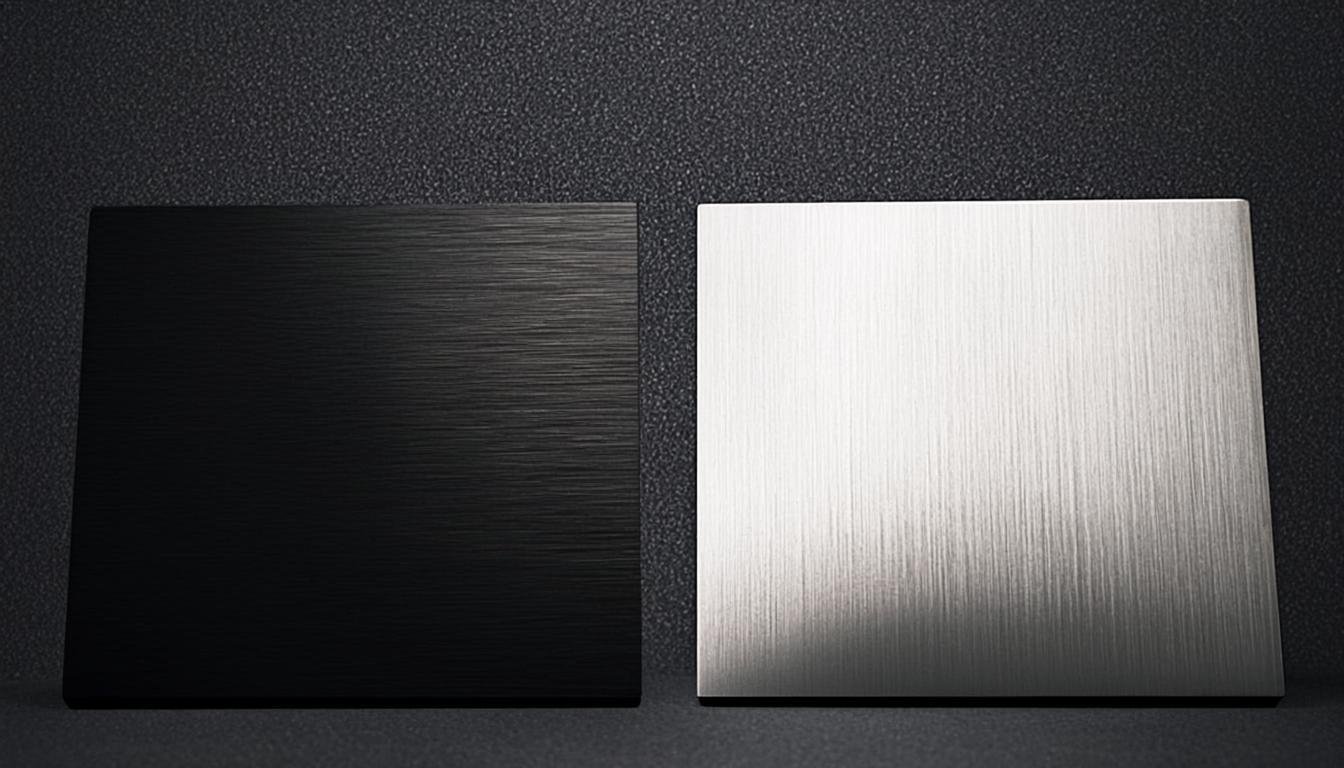
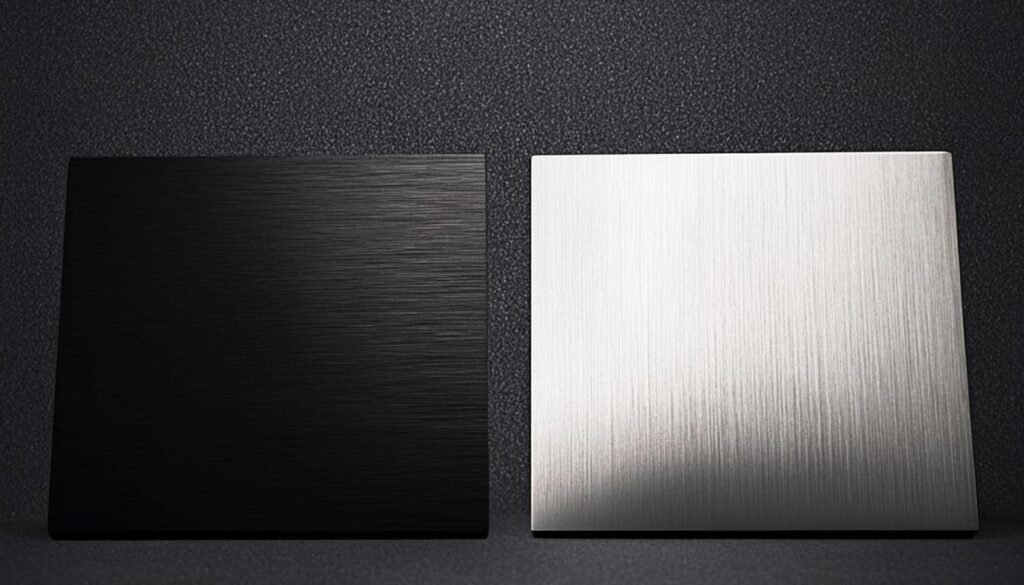
Gloss is the first thing people notice about a coated product and the last thing most specifications define carefully. A matte black frame and a mirror-gloss white panel are both powder coating – but the choice between them changes hiding power, maintenance, perceived quality and even production reject rates. Here is how gloss works, what changes it, and how to specify the right level for your product.
How Gloss Is Measured
A gloss meter shines light at the surface at a fixed angle and measures how much reflects back. The industry standard is 60 degrees for most coatings. Results are reported in gloss units (GU): matte is roughly 10-30 GU, satin 30-50, semi-gloss 50-70, and high-gloss above 80 GU. The measurement angle and standard (ISO 2813 or ASTM D523) must be stated with the number.
What Controls Gloss in the Powder Formulation
- Matting agents: silica or wax particles scattered in the film reduce reflectivity – more agent, lower gloss
- Resin chemistry: some resins naturally level to a higher gloss than others
- Cure schedule: under-cure can leave a dull surface; over-bake can lower gloss and yellow light colours
- Film thickness: too thin and the substrate roughness shows through, lowering perceived gloss
Matte: The Practical Choice
Matte finishes scatter light in all directions, which hides fingerprints, minor scratches, orange peel and shop dust. This makes matte the default for architectural aluminium, office furniture, fitness equipment and any product that gets handled frequently. The trade-off: matte can make colours look lighter and flatter, and it is less forgiving of colour difference between batches because there is no gloss to distract the eye.
High-Gloss: The Premium Statement
High-gloss delivers the deepest, most saturated colour and a premium appliance or automotive look. It also shows every flaw: dust embedded in the film, thin edges, orange peel and even hand marks during installation. High-gloss production demands clean booths, tight film thickness control and flawless pretreatment. If the product will be handled roughly, question whether gloss above 80 GU is worth the reject rate.
How to Specify Gloss That Stays Consistent
- State a target range in GU at 60 degrees – for example 30-40 GU – not a vague word like “matte”
- State the measurement standard (ISO 2813 or ASTM D523)
- Approve gloss on a physical panel, because photos cannot show reflectivity
- Require gloss readings on production samples alongside colour readings
- Keep the approved gloss panel as the master for incoming inspection
Get the Gloss Right for Your Product
Send us your target gloss range and application. We will select the formulation – matte, satin or high-gloss – spray a panel at your target level, and record the 60-degree gloss reading on the certificate with every production batch.
Need More Information?
Our engineers can help you choose the right powder coating system, color and finish for your project.